 Brazil · City guide
Living in Rio de Janeiro, Brazil: a guide for newcomers
What living in Rio de Janeiro is really like: the costs, weather, safety, neighbourhoods and day-to-day practicalities.
Source-checked45 sourcesChecked 13 Nov 2026Residents' reports labelledHow we check ContributorJohn Robinson
fewer more
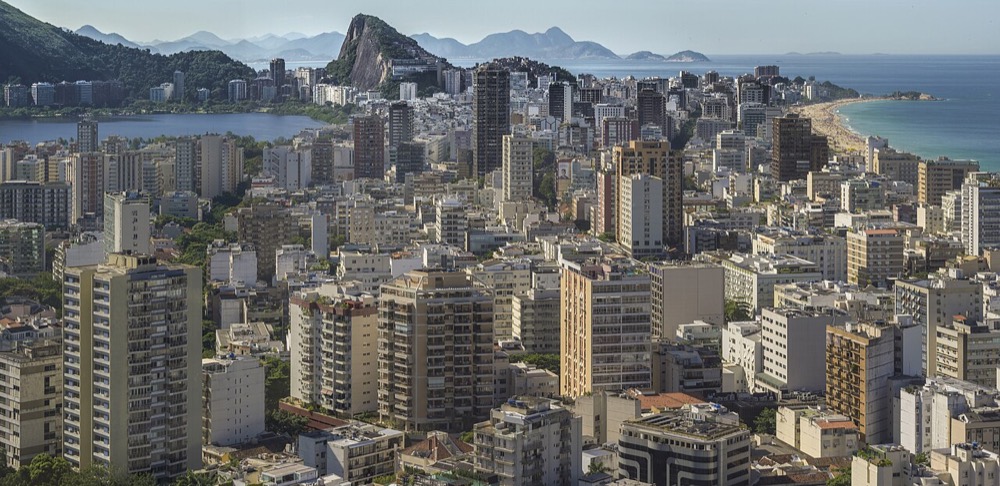
Rio de Janeiro in brief
- Altitude
- At sea level
- Population
- 6.2 million
- Currency
- $1 = 5.7 reais$100 = BRL 565
- Rent, 1 bedroom
- $700–1,350 a month
- Weather
- Hot, humid summers; mild wintersNightsDays
- US travel advisory
- Level 2: increased caution
- Airport
- GIG, 12–20 miles away
- Time zone
- 2 h ahead of New York in winter
Best for
- Beach-city life on the metro: Copacabana, Ipanema and Leblon all have stations.
- Families: American, British, French and German schools, with IB options.
- Outdoor people: a car-free beach road on Sundays and hikes in the Tijuca forest.
- Easy trips to the East Coast: non-stops to Miami and New York.
Think twice if
- Street crime would wear on you: phone theft is constant, and favelas border tourist areas.
- You won't learn Portuguese: little English is spoken day to day.
- You dislike heat and heavy rain: summers are humid, with flash floods.
- You want Ipanema or Leblon on a tight budget: 1-beds there ask about $1,330.
Where to live
US diplomats say expats live mostly in Leblon, Ipanema, Copacabana and Lagoa. Tap an area for rents, safety and what residents say.
★ Stars show how often newcomers' accounts and guides name it: 5 most, 2 none.
Not covered yet: Lagoa, Jardim Botânico, Humaitá, Recreio dos Bandeirantes, Catete, Leme and Glória.
Things to do
Includes residents' reports
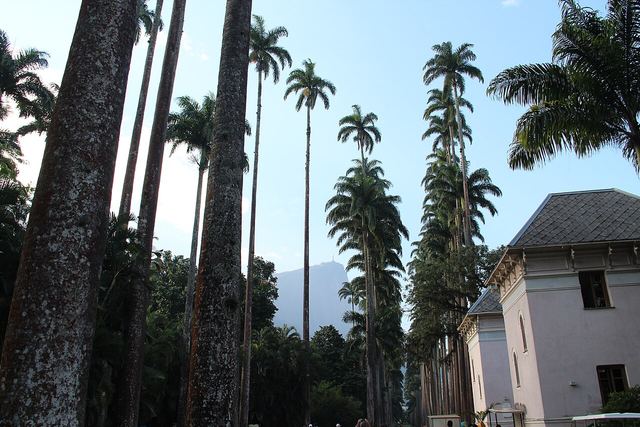
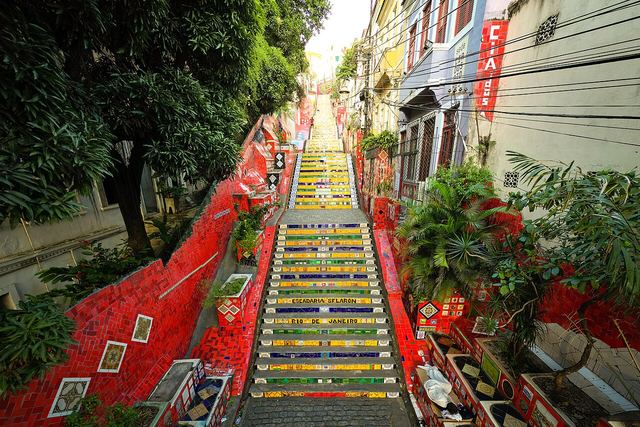
Start with the two big views, Christ the Redeemer and Sugarloaf, then the lagoon and the gardens. Check hours and prices before you go.




Also worth a visit
- Parque Lage: forest trails, a café in the old mansion and a trail up to Corcovado.
- Arpoador: rocks between Copacabana and Ipanema for sunset; go at weekends, when it's busy.
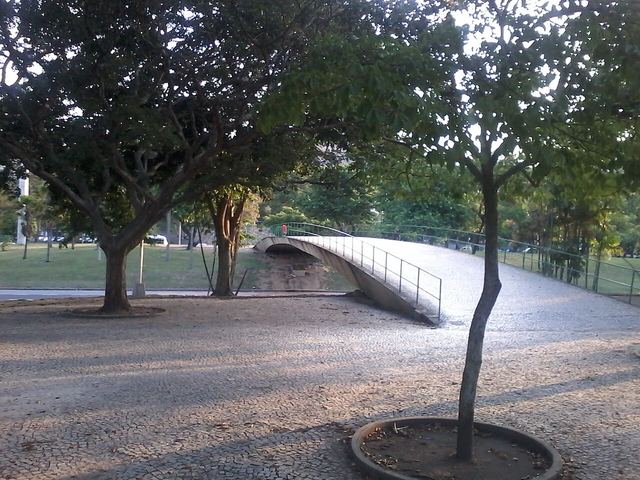
- Flamengo Park: a huge bayside park with walkways, a beach and the Museum of Modern Art.
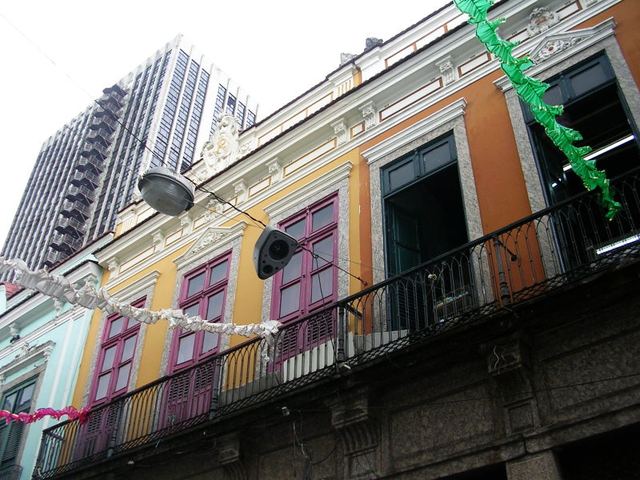
- Theatro Municipal and Confeitaria Colombo: an opera house modelled on Paris's, and an 1894 tea room.
Sources (2)
- Christ the Redeemer: 8 am–7 pm, 58 reais for adults (Sep 2025). Most other published prices are years old. The Museum of Tomorrow closes on Mondays.
Day trips
DataIncludes residents' reports
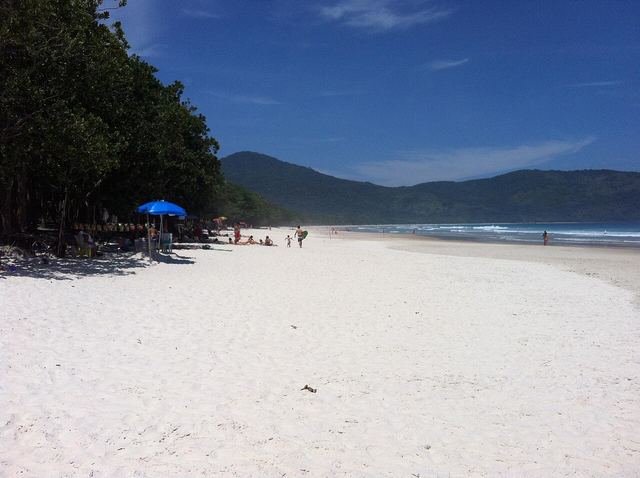
Mountain towns and beach resorts are 1–4 hours away. Real drive times are longer than these.

| Trip | Drive from Copacabana |
|---|---|
| Niterói | 18 mi, about 30 min |
| Petrópolis | 46 mi, about 1 h 10 min |
| Teresópolis | 64 mi, about 1 h 40 min |
| Angra dos Reis, for Ilha Grande | 101 mi, about 2¾ h |
| Arraial do Cabo | 106 mi, about 2¾ h |
| Búzios | 111 mi, about 3 h |
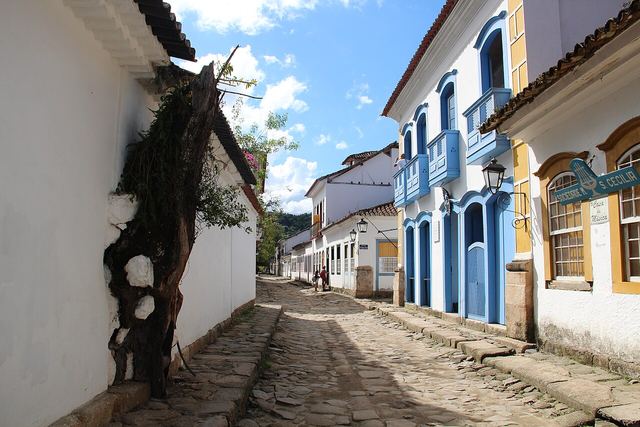
| Paraty | 164 mi, about 4¼ h |
Niterói: take the ferry from Praça XV or drive the bridge, for Niemeyer's art museum and Itacoatiara beach.
Sources (2)
- No-traffic road estimates from Copacabana. Bus tickets from Rio are sold for Ilha Grande and Paraty. Descriptions of the mountain and Costa do Sol towns aren't researched yet.
Food and markets
Includes residents' reports
Eat like a local: pay-by-weight lunch buffets, juice bars on every corner and draught beer in the botecos.


- Churrascaria rodízio: all-you-can-eat grilled meat brought to the table on skewers.
- Chope and boteco snacks: draught beer and simple snacks in neighbourhood bars.
- Comida a quilo: buffet restaurants where you pay by the weight of your plate.
- Bracarense, Leblon: one of the most traditional botecos.
Markets

- Hype Babilônia: weekend market at the Jockey Club, Gávea; more upscale, fewer tourists.
- Pé de Boi: handicraft shop with exhibitions upstairs, Laranjeiras.
- Street markets (feiras): produce is cheaper than in supermarkets.
Sources (4)
- Restaurant prices aren't researched yet. Hype Babilônia and Pé de Boi hours not checked.
- Wikivoyage, Rio de Janeiro (community travel guide; last edited 2 Nov 2026; listings carry mixed dates, some prices years old) 2026-11-02
- Wikivoyage, Rio de Janeiro/Zona Sul (community travel guide; last edited 2 Nov 2026; many listings undated) 2026-11-02
- Wikivoyage, Rio de Janeiro/Centro (includes Lapa and Santa Teresa; last edited 2 Nov 2026) 2026-11-02
- Tales Magazine, Real Post Report Rio de Janeiro (US diplomatic-mission family, lived there 2023-2025; posted 9 Sep 2025) 2025-09-09
Healthcare
Official sourcesIncludes residents' reports

US diplomats rate care well, with many US-trained doctors and great dentists. No hospital confirms direct billing or English-speaking staff, so check first.
- Hospital Copa D'Or: private · Copacabana; a US diplomat found its ER prompt and far cheaper than at home.
- CopaStar: private, from cardiology to complex surgery · Copacabana.
- Hospital Samaritano: private · Botafogo.
- Clínica São Vicente: private · Gávea.
- Clínica São José: private · Humaitá.
- Hospital Barra D'Or: private · Barra da Tijuca.
- Perinatal: private maternity hospital · Laranjeiras.
- Hospital Municipal Miguel Couto: public · Leblon.
Before you go
- Yellow fever: US health authorities recommend the vaccine for Rio, from 9 months old.
- Mosquitoes: dengue and Zika are present; there's no malaria in the city.
- Heat: summer heat is the main climate health risk.
Sources (4)
- Hospital list: the UK government's list (Mar 2025), which doesn't say which insurers each accepts. Police: 190.
- CDC: chikungunya risk is elevated in Brazil, and its vaccine may be considered for stays of 6 months or more. City dengue figures aren't researched.
- UK FCDO, Brazil: list of medical facilities/practitioners (Rio de Janeiro section; updated 19 Mar 2025) 2025-03-19
- UK FCDO, Brazil travel advice: Safety and security, Health, Getting help (GOV.UK content API; last updated 28 Oct 2026) 2026-10-28
- Tales Magazine, Real Post Report Rio de Janeiro (US diplomatic-mission respondent, lived there 2021-2023; posted 14 Jun 2024) 2024-06-14
- Tales Magazine, Real Post Report Rio de Janeiro (US diplomatic-mission family, lived there 2023-2025; posted 9 Sep 2025) 2025-09-09
Families and schools
Includes residents' reports
Families without Portuguese mostly choose the British School, the American school or Our Lady of Mercy. Confirm fees with each school.
- Escola Americana do Rio de Janeiro (EARJ): IB Diploma; assisted by the US State Department's schools office · Gávea and Barra.
- The British School: IGCSE and the IB Diploma · Botafogo, Urca and Barra Not confirmed
- Our Lady of Mercy School: US college-prep diploma with AP · Botafogo Not confirmed
- Lycée Molière: French programme to the Baccalauréat · Laranjeiras.
- Escola Alemã Corcovado: German Abitur track · Botafogo.
Most Consulate children attend EARJ, where most pupils are Brazilian. After-school activities run late because of traffic.
Sources (6)
- EARJ: IB World Continuum school with NEASC accreditation (school site); fees on request. British School and OLM curricula come from a school guide, not yet confirmed with the schools. Lycée Molière: AEFE network, with the international French baccalaureate (BFI).
- A 2025 parent report mentions bullying reports at EARJ and new policies from autumn 2024.
- Escola Americana do Rio de Janeiro (EARJ): home page (IB World Continuum School, IB Diploma grades 11-12), campus directions (Barra: Rua Colbert Coelho 155; Gávea: Estrada da Gávea 132), accreditations (NEASC; US State Dept Office of Overseas Schools assisted school), tuition page (fees on request) 2026-11-13
- Good Schools Guide (commercial school guide), Best schools in Rio de Janeiro: The British School sites Botafogo (nursery-11), Urca (11-18, IGCSE and IB Diploma) and Barra (nursery-18, IB Diploma); search excerpt, school site and ibo.org returned HTTP 403 2026-11-13
- Good Schools Guide (commercial school guide), Our Lady of Mercy School, Rua Visconde de Caravelas 48, Botafogo: American college-preparatory diploma plus Brazilian diploma, AP courses; search excerpt, school site did not respond 2026-11-13
- Lycée Molière (AEFE network), Rua Pereira da Silva 728, Rio de Janeiro: French programmes from maternelle to Baccalauréat, BFI track 2026-11-13
- Escola Alemã Corcovado, Rua São Clemente 388, Botafogo: German branch (Ramo Alemão) and Brazilian branch; Abitur 2026 graduation reported 13 Nov 2026 2026-11-13
- Tales Magazine, Real Post Report Rio de Janeiro (US diplomatic-mission family, lived there 2023-2025; posted 9 Sep 2025) 2025-09-09
Nightlife
Official sourcesIncludes residents' reports

Lapa is the heart of it: street parties, samba and choro, best on Thursdays.
- Lapa: the party spills into the street; samba bars often use a consumption card.
- Botafogo (Rua Henrique de Novaes): the classic boteco strip, plus the Casa da Matriz club.
- Copacabana and Ipanema: beach kiosks open all night, but stay off the sand after dark.
- Barra da Tijuca: large clubs for an 18-plus crowd.
- Names to know: Bracarense and Bar do Tom in Leblon, Fosfobox in Copacabana.
Rules worth knowing
- Watch your drink: drugging-and-robbery is common, often after dating-app dates.
- Take care with spirits: methanol poisoning has caused deaths in Brazil.
- Drugs: penalties are severe.
Sources (7)
- Venues from a travel guide; opening not confirmed.
- Wikivoyage, Rio de Janeiro (community travel guide; last edited 2 Nov 2026; listings carry mixed dates, some prices years old) 2026-11-02
- Wikivoyage, Rio de Janeiro/Centro (includes Lapa and Santa Teresa; last edited 2 Nov 2026) 2026-11-02
- Wikivoyage, Rio de Janeiro/Zona Sul (community travel guide; last edited 2 Nov 2026; many listings undated) 2026-11-02
- UK FCDO, Brazil travel advice: Safety and security, Health, Getting help (GOV.UK content API; last updated 28 Oct 2026) 2026-10-28
- Wikivoyage, Rio de Janeiro/Zona Oeste (Barra da Tijuca; last edited 2 Nov 2026) 2026-11-02
- US State Department, official travel advisories RSS feed (TAsTWs.xml): Brazil Level 2, Exercise Increased Caution (crime, kidnapping), dated Mon 31 Aug 2026; travel.state.gov HTML pages refuse automated fetches 2026-08-31
- Tales Magazine, Real Post Report Rio de Janeiro (US diplomatic-mission family, lived there 2023-2025; posted 9 Sep 2025) 2025-09-09
Getting there and getting around
Official sourcesDataIncludes residents' reports
American flies non-stop from GIG to Miami twice a day and to New York JFK daily.
Not yet verified From airline news. Dallas–Fort Worth runs late December to mid-March, and GOL has started New York flights.
From the airport
- Zona Sul: 12–16 miles from GIG, about 25 min without traffic; longer at peak.
- Barra da Tijuca: about 20 miles, 30 min without traffic.
- Santos Dumont (SDU): the domestic airport is 3–10 miles from the Zona Sul.
Around the city
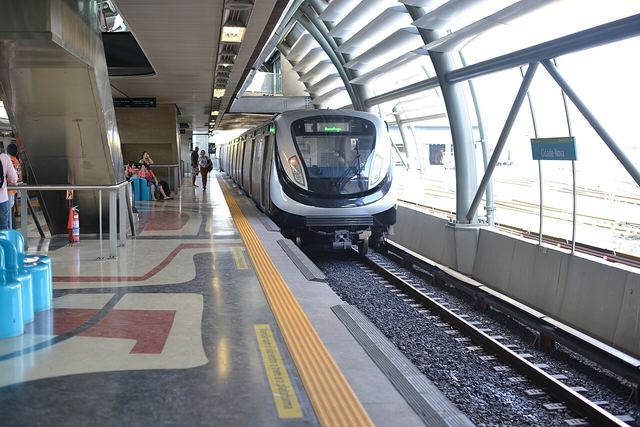
- Metro: about $1.40 a ride; Line 1 runs from Ipanema through Copacabana to the centre, Line 4 on to Leblon and Barra.
- Buses, BRT and VLT tram: about 90¢ a ride; no cash on city buses.
- Ride-hailing: Uber, Cabify and 99; US diplomats found Uber safe and cheap enough to skip a car.
- No metro: Gávea, Santa Teresa and most of Laranjeiras.
- Sundays and holidays: the beach road closes to cars for walking, running and cycling.
Sources (12)
- Fares: metro 7.90 reais (a rise to 8.20 was cancelled; held through Dec 2026); bus, BRT and VLT 5.00 from 4 Jan 2026; no cash on city buses since 28 Jun 2026. Drive times are no-traffic estimates.
- Flights: American's Nov 2026 announcement (Miami to 27 Mar 2027). Delta and United schedules not confirmed; not checked on airline sites.
- OSRM public routing API (driving, free-flow, no traffic; points are approximate bairro centres, Galeão and Santos Dumont terminals) 2026-11-13
- Pontos pra Voar, American Airlines adds Rio flights for summer 2026/27: Miami twice daily to 27 Mar 2027, New York JFK daily (787-8, dep. 23:00), Dallas-Fort Worth daily from late Dec 2026 to mid-March 2027 (9 Nov 2026) 2026-11-09
- Mercado & Eventos, 'GOL celebra voo inaugural entre Rio e Nova York em 2026' (headline seen in search results only; schedule not read) 2026-11-13
- Tales Magazine, Real Post Report Rio de Janeiro (US diplomatic-mission family, lived there 2023-2025; posted 9 Sep 2025) 2025-09-09
- UK FCDO, Brazil travel advice: Safety and security, Health, Getting help (GOV.UK content API; last updated 28 Oct 2026) 2026-10-28
- MetrôRio, station list by line (site menu 'Estações'): Linha 1 Uruguai-General Osório, Linha 2 Pavuna-Botafogo, Linha 4 Jardim Oceânico-Nossa Senhora da Paz 2026-11-13
- Diário do Transporte, 'Governo do RJ cancela aumento na tarifa do metrô e mantém valor em R$ 7,90 até dezembro' (26 Feb 2026) 2026-02-26
- Diário do Transporte, 'Aumento de tarifas de ônibus e VLT no Rio de Janeiro: Paes define valor em R$ 5' (30 Dec 2025; municipal decree, in force 4 Jan 2026 for bus, BRT, VLT and vans) 2025-12-30
- Diário do Transporte, Rio de Janeiro ends cash payment on municipal buses from 28 June 2026 (10 Jun 2026) 2026-06-10
- US State Department, official travel advisories RSS feed (TAsTWs.xml): Brazil Level 2, Exercise Increased Caution (crime, kidnapping), dated Mon 31 Aug 2026; travel.state.gov HTML pages refuse automated fetches 2026-08-31
- Wikivoyage, Rio de Janeiro (community travel guide; last edited 2 Nov 2026; listings carry mixed dates, some prices years old) 2026-11-02
- Tales Magazine, Real Post Report Rio de Janeiro (US diplomatic-mission respondent, lived there 2021-2023; posted 14 Jun 2024) 2024-06-14
Expat community and coworking
DataIncludes residents' reports
US diplomats found plenty of happy expats, though ties can be loose in a city with so much to do.
- Mundo Lingo Rio: language-exchange meetup, about 6,300 members.
- English & Portuguese in Copacabana: language meetup, about 1,800 members.
- Rio de Janeiro Remote Workers: meetup, about 250 members.
- Services in English: Mass at Our Lady of Mercy and a Protestant service at Christ Church, both in Botafogo.
- Coworking: Regus and Spaces in Botafogo from about $170 a month; WeWork from about $180 Not confirmed
Call coworking spaces ahead for hours and prices.
Sources (4)
- Meetup member counts read 13 Nov 2026; event dates not checked. Digital Nomads United lists 141 members.
- Regus/Spaces desks 949–2,009 reais a month on 24-month terms; WeWork from 1,003 reais, day pass 214 (search excerpts).
- Tales Magazine, Real Post Report Rio de Janeiro (US diplomatic-mission respondent, lived there 2021-2023; posted 14 Jun 2024) 2024-06-14
- Tales Magazine, Real Post Report Rio de Janeiro (US diplomatic-mission family, lived there 2023-2025; posted 9 Sep 2025) 2025-09-09
- Meetup, 'expats' groups near Rio de Janeiro (public search page; member counts shown 13 Nov 2026; event dates not checked) 2026-11-13
- Regus/Spaces and WeWork Rio de Janeiro operator pages, seen only as search-engine excerpts on 13 Nov 2026 (operator pages returned HTTP 403 to our script): Regus Botafogo coworking desks BRL 949-2,009 per person per month on a 24-month contract; Spaces Edifício Mourisco, Botafogo; WeWork Rio membership from R$1,003 a month 2026-11-13
Learning Portuguese
Includes residents' reports

Here it's Portuguese, not Spanish. Little English is spoken, so you'll need it.
- Caminhos (Ipanema): intensive, 20 hours a week, about $170–265 a week.
- Rio & Learn (Copacabana): intensive from about $160 a week; evenings from about $55; online private lessons $18–27 an hour.
- PUC-Rio and UFRJ: university courses for foreigners; PUC's are popular but pricey.
- The accent: in Rio, an s at the end of a syllable sounds like sh.
Sources (6)
- Caminhos, Nov 2026: 1,500 reais for one week, down to 950 a week for 16+ weeks. Rio & Learn, Oct 2026: 900–1,500 reais a week in person. University course prices not researched.
- Caminhos Language Centre, Portuguese course prices (page modified 11 Nov 2026); school at Rua Farme de Amoedo 135, Ipanema 2026-11-11
- Rio & Learn, Portuguese courses (home page modified 30 Oct 2026; shop page prices); school at Rua Siqueira Campos 16, Copacabana 2026-10-30
- Wikivoyage, Brazilian Portuguese phrasebook (pronunciation notes; last edited 23 Oct 2026) 2026-10-23
- Tales Magazine, Real Post Report Rio de Janeiro (US diplomatic-mission respondent, lived there 2021-2023; posted 14 Jun 2024) 2024-06-14
- Tales Magazine, Real Post Report Rio de Janeiro (US diplomatic-mission family, lived there 2023-2025; posted 9 Sep 2025) 2025-09-09
- Wikivoyage, Rio de Janeiro (community travel guide; last edited 2 Nov 2026; listings carry mixed dates, some prices years old) 2026-11-02
Neighbourhood areas are approximate. Map data © OpenStreetMap contributors.
Cost of living
Official sourcesDataIncludes residents' reports
1-bed asking rents run from about $400 in Santa Teresa to $1,330 in Ipanema and Leblon, before fees. Prices as of Nov 2026.
1-bed asking rents by neighbourhood
- Building fee and property tax: from about $130 a month in Botafogo to $360 in Ipanema for a 1-bed.
- Bigger places: 3-bedrooms ask about $1,330 in Copacabana and $2,300 in Leblon.
- Groceries: the basic food basket for one adult costs about $166 a month, up 17% in a year.
- Household help: about $50 a day; full-time help about $530–885 a month.
- Air conditioning adds to summer power bills.
A month's budget
| Per month | One person, modest | One person, comfortable | Couple, modest | Couple, comfortable |
|---|---|---|---|---|
| Rent | $681 | $1,327 | $681 | $1,327 |
| Condomínio + IPTU | $127 | $364 | $127 | $371 |
| Groceries | $166 | Not sourced yet | $332 | Not sourced yet |
| Utilities | Not sourced yet | Not sourced yet | Not sourced yet | Not sourced yet |
| Home internet | $18 | $18 | $18 | $18 |
| Mobile phone | Not sourced yet | Not sourced yet | Not sourced yet | Not sourced yet |
| Transport | Not sourced yet | Not sourced yet | Not sourced yet | Not sourced yet |
| Eating out | Not sourced yet | Not sourced yet | Not sourced yet | Not sourced yet |
| Health insurance | Not sourced yet | Not sourced yet | Not sourced yet | Not sourced yet |
Modest: Botafogo 1-bed. Comfortable: Ipanema 1-bed. Couple, comfortable: Copacabana 3-bed.
No total yet: utilities, mobile, transport, eating out and health insurance aren't priced.
Sources (9)
- Dollar figures at the central bank's PTAX rate, 5.6512 reais per $1 (13 Nov 2026). Rents: QuintoAndar asking prices, ads live 13 Nov 2026; QuintoAndar's own total adds fire insurance and a service fee.
- Food basket: DIEESE, Oct 2026, 939.39 reais for 13 staples, the second highest of the capitals. Household help: US diplomats' reports, 2025 (full-time 3,000–5,000 reais).
- Not yet researched: supermarket prices, power and water bills, mobile plans, restaurant prices, health insurance.
- Banco Central do Brasil, PTAX (Olinda OData service, CotacaoDolarPeriodo): 13/11/2026 bulletin of 13:03 = BRL 5.6512 buying / 5.6518 selling per USD (12/11 = 5.6137 buying) 2026-11-13
- QuintoAndar, 'alugar imóvel' search pages by bairro and street (public HTML pages read by script; listings embedded in each page) 2026-11-13
- DIEESE, Pesquisa Nacional da Cesta Básica de Alimentos, October 2026 (with Conab): Rio de Janeiro basket R$ 939.39, +2.84% on September, +17.22% in 12 months 2026-11-13
- Diário do Transporte, 'Aumento de tarifas de ônibus e VLT no Rio de Janeiro: Paes define valor em R$ 5' (30 Dec 2025; municipal decree, in force 4 Jan 2026 for bus, BRT, VLT and vans) 2025-12-30
- Diário do Transporte, 'Governo do RJ cancela aumento na tarifa do metrô e mantém valor em R$ 7,90 até dezembro' (26 Feb 2026) 2026-02-26
- Diário do Transporte, Rio de Janeiro ends cash payment on municipal buses from 28 June 2026 (10 Jun 2026) 2026-06-10
- Tales Magazine, Real Post Report Rio de Janeiro (US diplomatic-mission family, lived there 2023-2025; posted 9 Sep 2025) 2025-09-09
- Claro, Internet residencial fixa com fibra no Rio de Janeiro (page banner: '600 mega' offer at R$99.90; plan conditions not read) 2026-11-13
- Tales Magazine, Real Post Report Rio de Janeiro (US diplomatic-mission respondent, lived there 2021-2023; posted 14 Jun 2024) 2024-06-14
Climate
Official sourcesDataIncludes residents' reports
Hot and humid, with rain all year and the heaviest storms November to March. Uphill in the Tijuca forest, about 95 inches fall a year; the beaches get less.
Days and nights through the year
- Summer (Dec–Feb): highs 87–90 °F, nights 74–76 °F by the coast; rain on 9–12 days a month.
- Autumn (Mar–May): highs fall from 88 °F to 82 °F, nights from 75 °F to 69 °F; March is the wettest month.
- Winter (Jun–Aug): highs 80–81 °F, nights 66–67 °F; still some rain.
- Spring (Sep–Nov): highs 80–85 °F, nights 67–72 °F; November has the most rainy days.
- Heat alerts: the city's five-level heat protocol starts when 97–104 °F is forecast.
Sources (6)
- Coastal temperatures: INMET central Rio station, 1981–2010 (closed 2017). Rain and hot-day counts: Alto da Boa Vista forest station (366 m), 1991–2020: 2,414.8 mm a year, 96 days at 30 °C or more.
- Heat protocol levels from a Jan 2026 news explainer; the decree itself wasn't read. The chart blends both stations.
- Centro de Operações e Resiliência (COR), Prefeitura do Rio: Estágios Operacionais da Cidade (five city operating stages) 2026-11-13
- CNN Brasil, 'Rio entra em Nível 2 do Protocolo de Calor; entenda a classificação' (9 Jan 2026; levels 1-5 of the city heat protocol, activated by COR) 2026-01-09
- INMET, Normais Climatológicas do Brasil 1991-2020 (Normal-Climatologica-TMAX/TMIN/PREC/PRENDIAS1/TMAXNDIA30/TMAXNDIA35 .xlsx), station 83007 ALTO DA BOA VISTA (RJ), 366 m, -22.966, -43.279, operating 2026-11-13
- INMET, Normais Climatológicas 1981-2010 (02-Temperatura-Máxima, 03-Temperatura-Mínima, 24-Umidade-Relativa .xls), station 83743 RIO DE JANEIRO (37.5 m, -22.896, -43.185, central Rio; closed 2017 per INMET's station list); values read from the .xls by our own script 2026-11-13
- UK FCDO, Brazil travel advice: Safety and security, Health, Getting help (GOV.UK content API; last updated 28 Oct 2026) 2026-10-28
- Tales Magazine, Real Post Report Rio de Janeiro (US diplomatic-mission respondent, lived there 2021-2023; posted 14 Jun 2024) 2024-06-14

Safety
Official sourcesDataIncludes residents' reports
Street crime is part of daily life: phones are snatched constantly, especially on the beach. Leave yours at home for the beach and take Uber at night.
US travel advisory
Level 2: increased caution
- Favelas: the US and UK both say stay out, including tours; check GPS routes don't run through one.
- Beaches: stay off city beaches after dark; groups sometimes sweep through grabbing bags (arrastões).
- Copacabana is a phone-theft hotspot: about 3,200 thefts and robberies in 2025.
- Buses: US government staff are told not to use city buses.
- Carjacking: happens on major roads and in tunnels.
- Police operations: armed operations and militia activity can start with little warning.
- ATMs: use ones inside shopping centres.
- The trend is down: street robberies in Rio state fell 20% in Jan–Sep 2026.
- Flash floods and landslides: most likely November to March.
Sources (10)
- US State Department, 31 Aug 2026: Brazil Level 2 (crime, kidnapping). UK FCDO, 28 Oct 2026. Phone thefts peak 4–9 pm.
- State figures via the press (ISP, Jan–Sep 2026): street robberies 35,927 (−19.5%), violent deaths 2,648 (−6.9%), vehicle robberies 17,753 (+3.6%). Copacabana 2025: 2,981 phone thefts and 233 robberies. City and area tables aren't researched yet.
- Shootings (Fogo Cruzado, independent): 898 in the city, Jan–mid-Jul 2025, mostly in the North Zone; none of these neighbourhoods was named.
- UK FCDO, Brazil travel advice: Safety and security, Health, Getting help (GOV.UK content API; last updated 28 Oct 2026) 2026-10-28
- Centro de Operações e Resiliência (COR), Prefeitura do Rio: Estágios Operacionais da Cidade (five city operating stages) 2026-11-13
- CNN Brasil, 'Rio entra em Nível 2 do Protocolo de Calor; entenda a classificação' (9 Jan 2026; levels 1-5 of the city heat protocol, activated by COR) 2026-01-09
- US State Department, official travel advisories RSS feed (TAsTWs.xml): Brazil Level 2, Exercise Increased Caution (crime, kidnapping), dated Mon 31 Aug 2026; travel.state.gov HTML pages refuse automated fetches 2026-08-31
- Diário do Rio, ISP state figures January-September 2026 (16 Oct 2026): street robbery 35,927 (-19.5%), violent lethality 2,648 (-6.9%), vehicle robbery 17,753 (+3.6%) 2026-10-16
- Instituto de Segurança Pública (ISP-RJ), ISPDados open data (monthly crime by CISP/AISP): connection refused / timed out from our script and WebFetch on 13 Nov 2026; not read 2026-11-13
- Alma Preta, Fogo Cruzado report for the city of Rio, 1 Jan-14 Jul 2025 (16 Jul 2025): 898 shootings, 37% in police operations, 235 dead, 257 injured; most-affected bairros Vila Isabel (74), Cascadura (61), Vicente de Carvalho (51). Fogo Cruzado is an independent data source, not an official agency 2025-07-16
- Tales Magazine, Real Post Report Rio de Janeiro (US diplomatic-mission respondent, lived there 2021-2023; posted 14 Jun 2024) 2024-06-14
- Tales Magazine, Real Post Report Rio de Janeiro (US diplomatic-mission family, lived there 2023-2025; posted 9 Sep 2025) 2025-09-09
- Wikivoyage, Rio de Janeiro (community travel guide; last edited 2 Nov 2026; listings carry mixed dates, some prices years old) 2026-11-02

Internet and remote work
Includes residents' reports
- Home internet works well: US diplomats had it installed within days, with few problems.
- Home internet: fibre from about $18 a month on a promotional 600 Mbps plan.
- Main providers: Claro, Vivo and TIM.
- Time zone: 2 hours ahead of New York in US winter, 1 hour in summer.
Sources (4)
- Claro '600 mega' offer, 99.90 reais (13 Nov 2026); conditions not read. Measured speeds and power-cut data aren't researched yet. Brasília time, UTC−3 all year.
- Claro, Internet residencial fixa com fibra no Rio de Janeiro (page banner: '600 mega' offer at R$99.90; plan conditions not read) 2026-11-13
- Tales Magazine, Real Post Report Rio de Janeiro (US diplomatic-mission respondent, lived there 2021-2023; posted 14 Jun 2024) 2024-06-14
- Tales Magazine, Real Post Report Rio de Janeiro (US diplomatic-mission family, lived there 2023-2025; posted 9 Sep 2025) 2025-09-09
- Regus/Spaces and WeWork Rio de Janeiro operator pages, seen only as search-engine excerpts on 13 Nov 2026 (operator pages returned HTTP 403 to our script): Regus Botafogo coworking desks BRL 949-2,009 per person per month on a 24-month contract; Spaces Edifício Mourisco, Botafogo; WeWork Rio membership from R$1,003 a month 2026-11-13

Living in Brazil long-term
Staying beyond a visit means residency. Our Brazil guides cover the routes, the documents and what you'd pay in tax, with the law behind each rule.

Questions people ask
Is Rio de Janeiro safe?
It takes care: phone theft is constant, and the US and UK both say stay out of favelas and off the beaches after dark. US diplomats get around by Uber and call it safe.
How much does it cost to live in Rio?
A 1-bed asks about $680–710 a month in Botafogo or Copacabana and about $1,330 in Ipanema or Leblon, plus building fees. The basic food basket runs about $166 a month.
Where do expats live?
Mostly Leblon, Ipanema, Copacabana and Lagoa, say US diplomats; Flamengo and Copacabana mean a shorter commute downtown. Families tied to the American school also look at Gávea and Barra.
Do I need a visa?
Yes: US citizens have needed a visit eVisa since April 2025, for up to 90 days at a time and 180 a year. Longer stays use the digital-nomad or retiree visa; see our Brazil guides.
How hot does it get?
Very: summer highs near 90 °F by the coast, with high humidity and heat alerts. Winters are mild, with nights in the mid-60s °F.
Can I get by without Portuguese?
Not easily: little English is spoken. Intensive courses cost about $160–265 a week in Copacabana and Ipanema.
Do I need a car?
Not in the Zona Sul: the metro runs along the beaches and Uber is cheap. Barra da Tijuca is more car-dependent.
Free shortlist
Your top 3 countries, picked for you
Tell us who's moving and we'll show the three Latin American countries that fit people like you best, ranked on what matters most to you, with the trade-off to know about each.